High level results
- Conversions from existing content optimized by Mint Studios grew by 234%
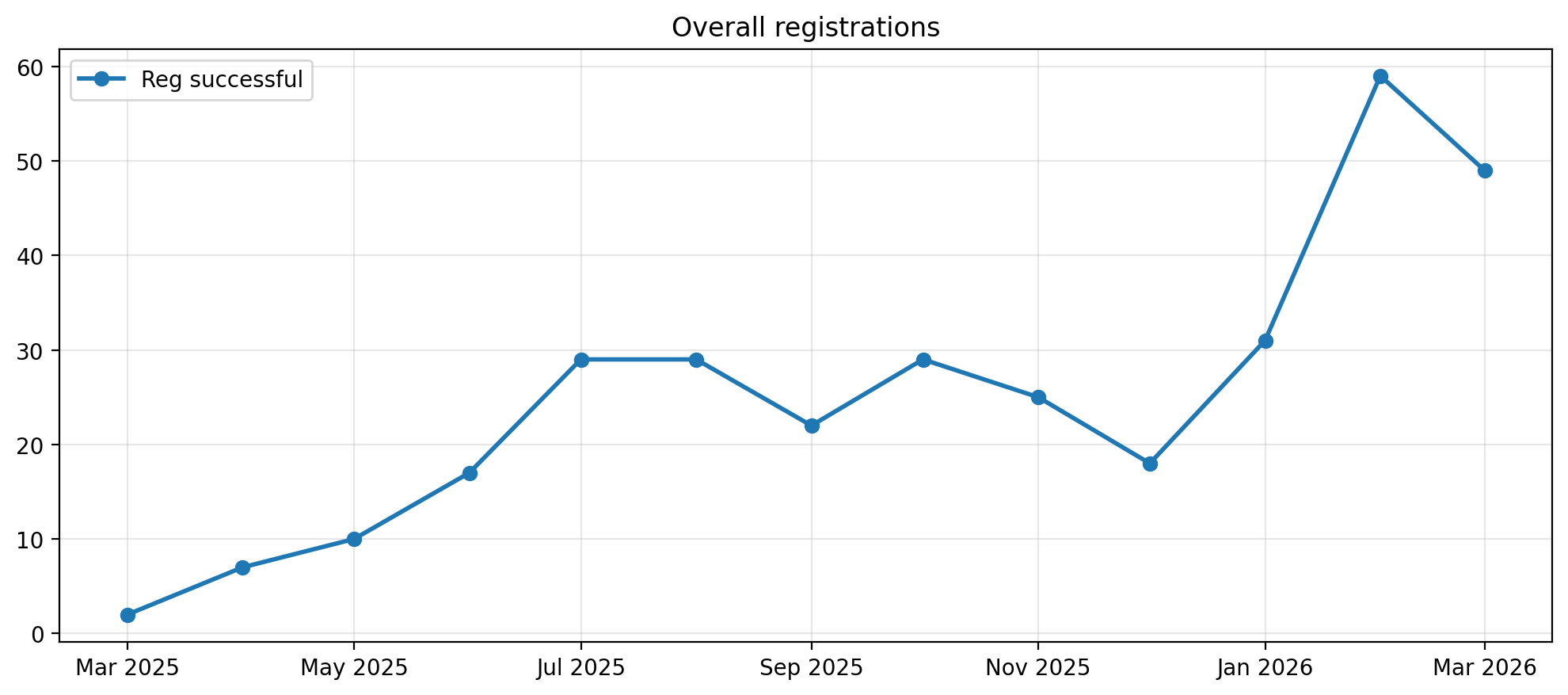
- UK conversions grew from near-zero to 50+ per month (across all channels)
- Ranking in the top 3 for 70% of targeted buying keywords (64 out of 91)
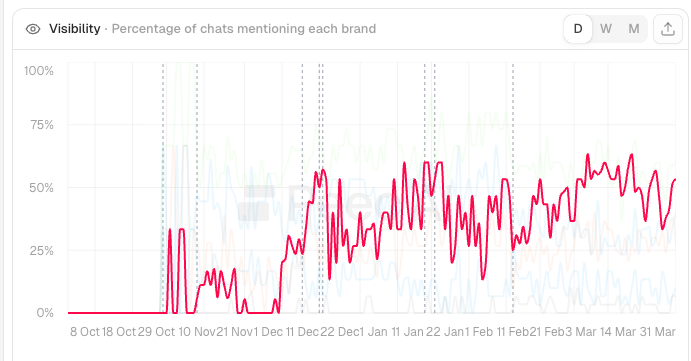
- LLM visibility grew from 27% to 53.4% for key buying prompts
- 12 existing articles went from 0 conversions to converting for the first time
Situation: What WorldFirst needed
WorldFirst is a leading third-party cross-border payment provider by market share and recognised as a Top Global Fintech Company 2025 by CNBC and Statista. They’ve helped 1.5 million businesses move money across borders and have presence in 30+ countries.
When the marketing team reached out, their website had a large content library that was performing well in certain locations like Australia, but they wanted to increase performance in a couple of key countries. A lot of the existing content in those regions wasn’t bringing that many conversions. They came to us in early 2025 to help turn their content into a machine for bringing in conversions, rather than just traffic.
They faced a few challenges:
- Most agencies / freelancers focus on creating content for traffic, rather than connecting it to conversions. Their leadership was very focused on conversions, which meant they didn’t want a content partner that would only focus on traffic. This meant they needed an agency that could help them create a certain type of content that was focused on conversions and also have the right tracking in place to track and prove this.
- They needed to be able to scale carefully without sacrificing quality. WorldFirst operates in a highly competitive space with other large cross-border companies, which meant scale and volume was also important, as well as quality. Although it can be tempting to scale with AI-only, they knew there are a lot of risks with this approach. So they wanted a partner that could help them scale with AI-assisted content without sacrificing quality.
- They wanted to get more out of their existing content. Although new content is important, getting more out of what they already had was also key. They needed a partner who could analyze their existing content and would know what to do to get more out of it.
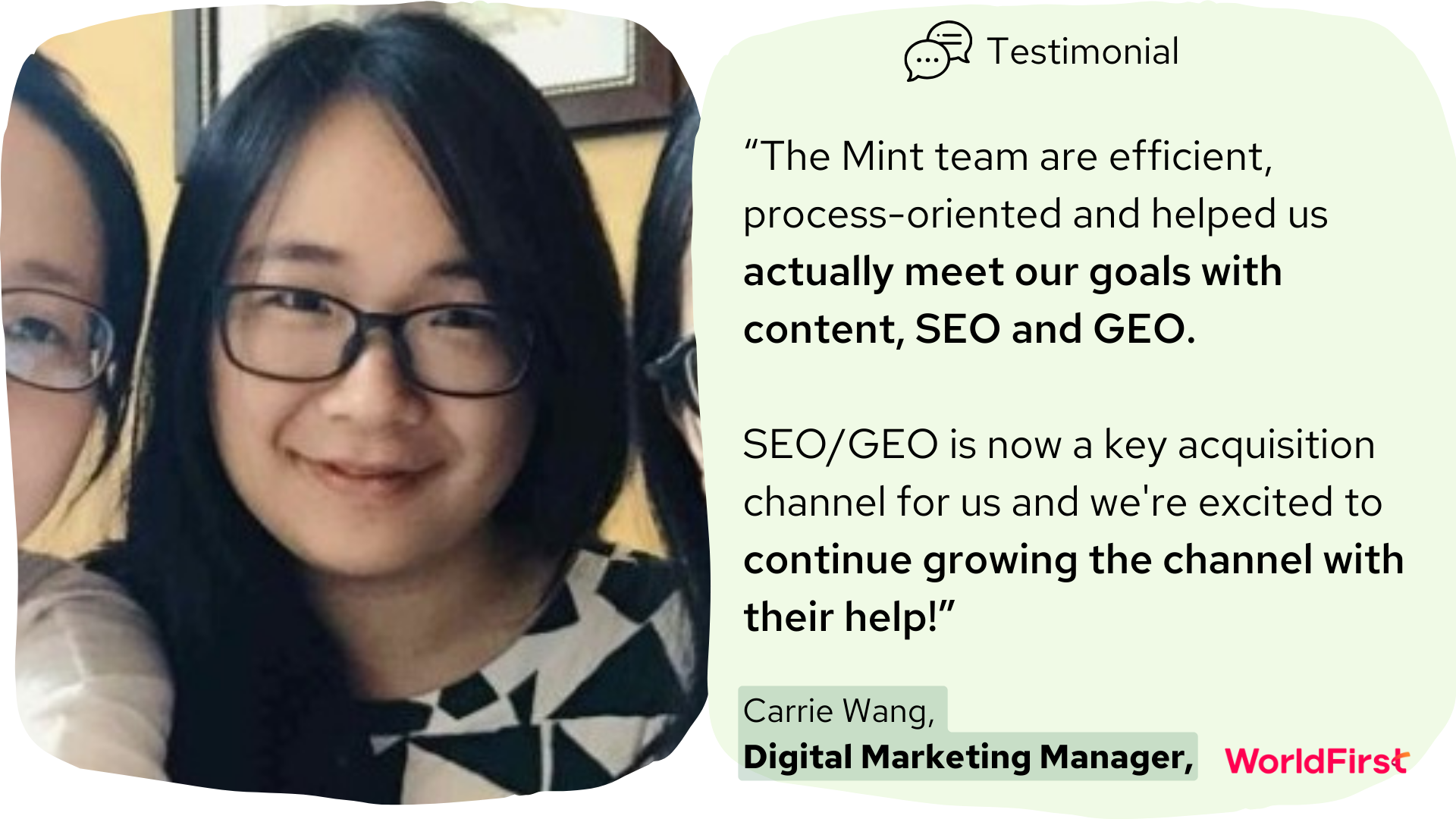
As Carrie, Digital Marketing Manager at WorldFirst says:
“We wanted to grow registrations in a specific region and knew that we needed to rank and for our content to be as good as our competitors. We also needed the content to bring in customers and leads so we hit our ambitious acquisition targets.”
Results:
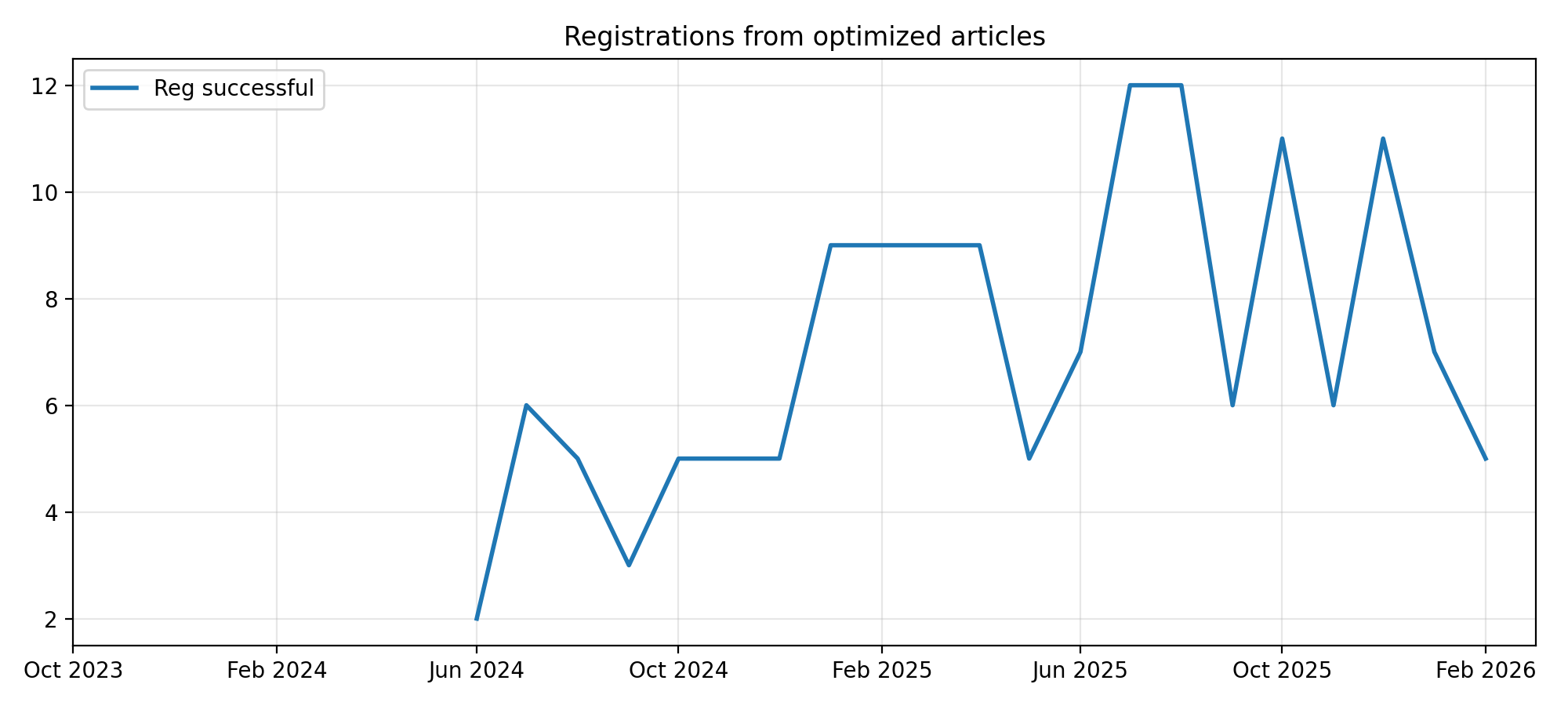
Conversions from existing content grew by 234%
Although a big part of our work together was creating new content, we first started off by improving WorldFirst’s existing content library to maximize what they had already.
We optimized 36 articles across 3 regions, and over the course of a year, conversions from those articles grew from 32 in 2024 to 107 in 2025 – a 234% increase. Due to the setup we had with GA4, we were only tracking first and last touch attribution, so including multi-touch the number is almost certainly higher.
For UK conversions specifically, conversions from optimized articles grew by 223%.
12 articles that had never converted before started bringing in conversions for the first time. One article went from barely ranking and generating just 2 conversions in one year to pulling in 25 the year after.
Conversions from UK grew from near-zero to 50+ per month
When we started, the UK blog was generating very few conversions per month, close to zero in some periods.
By publishing the right type of content (bottom-of-funnel, product-focused, targeted at buying keywords rather than informational keywords), we turned the UK into a high performing region for content-driven conversions, outperforming competitors that were solely focused on that region.
(This is tracking conversions that includes all channels including organic, direct, LLMs and referrals)
Ranking top 3 Google positions for 70% of targeted buying keywords
The most important leading indicator that leads to higher conversions is whether you're ranking for the right keywords. Not just any keywords, but the ones that actually signal buying intent.
Of the 91 buying keywords we targeted for WorldFirst, they were ranking in the top 3 on Google for 64 of them (70% of the total). And the website is now ranking on the first page of Google for almost all keywords, 90% to be specific.
These were high value keyphrases like:
- Amazon FBA UK
- Best bank account for small business
- Best way to pay Chinese suppliers
- Business foreign currency account
The kind of queries that people search when they're actively looking for a solution and ready to take the next step, not just browsing.

Ranking so high for such high value keywords allows them to take conversions via the website to a whole new level, as well as grow their brand awareness.
LLM visibility growth from 27% to 53.4%
As part of our work with WorldFirst, we also focused on LLM visibility, making sure they showed up when prospects used tools like ChatGPT and Claude to research solutions.
WorldFirst already had a decent baseline because their SEO was strong, but there were key prompts where they had little to no visibility – especially in the UK. Examples of prompts include:
- How do I accept payments in multiple currencies as a UK-based small business?
- What's the best prepaid business card for international payments?
We followed our GPT article strategy to systematically grow their presence across these prompts. The result was that LLM visibility nearly doubled, going from 27% to 53.4%, which also helped WorldFirst outperform competitors who hadn't started thinking about this channel at all.
As Carrie says:
“By working with Mint, we were able to:
- Grow the SEO and content channel substantially
- Improve our visibility on LLMs
- Rank high for key terms our ideal customers were searching for
- Build the SEO and GEO content infrastructure together
- Compete on par with big competitors”
How we did it: writing about product, focusing on BOFU content and GPT articles
Optimizing existing content by going more in-depth about product and making the content more comprehensive
A lot of WorldFirst's existing content was solid, but there was a clear opportunity to get more out of it with certain tweaks.
We started by prioritizing articles that were already getting some conversions – our thinking was: if an article is already converting, there's a strong chance it can convert even more with the right adjustments.
Every month, we'd optimize a batch of articles, and the work usually involved a few items:
- First, we'd add a detailed section about WorldFirst's product. Not a two-sentence mention, but a proper breakdown of how the product works, what it does, and why it's relevant to what the reader is searching for. This matters more than people think at the bottom of the funnel, because someone typing "best bank account for small business" genuinely wants to understand how your product works. Give them that information and you're much more likely to convert them.
- We'd also restructure the content to answer the reader's question upfront and then go into detail, rather than burying the answer under a long preamble.
- We made the content more comprehensive overall: more information, more depth, more substance. This aligns with what we've seen across multiple engagements: more comprehensive content (which often means longer content) tends to perform better.
- We also added more calls to action throughout each article: not aggressive sales pushes, but natural, contextual CTAs that made it easy for readers who were ready to take the next step.
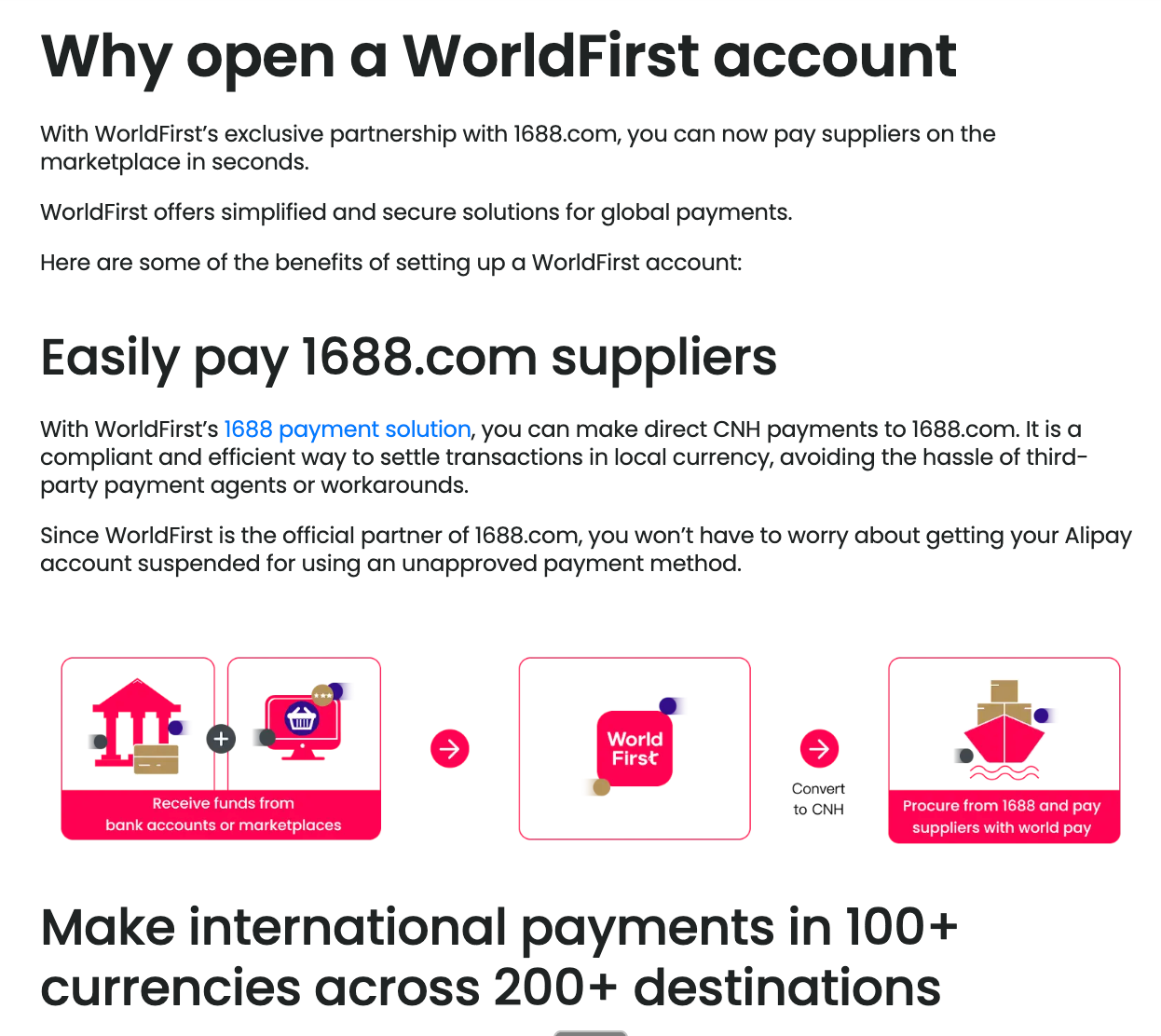
Take this article as an example: How to Source Wholesale Using 1688.com Outside China | WorldFirst UK
The original version gave a high-level overview of 1688 (a China-only platform to source products) and how to get started, which was a good start. But what was missing was a section explaining how to use WorldFirst to use 1688. Whereas before the reader would only get information about the Chinese sourcing platform, now they have a guide on why it makes sense to use WorldFirst and how to do so.
Those tweaks enabled conversions for this article to grow by 1,1150%!
The new version goes into significantly more detail, includes product information, and gives the reader actionable information they can actually use.
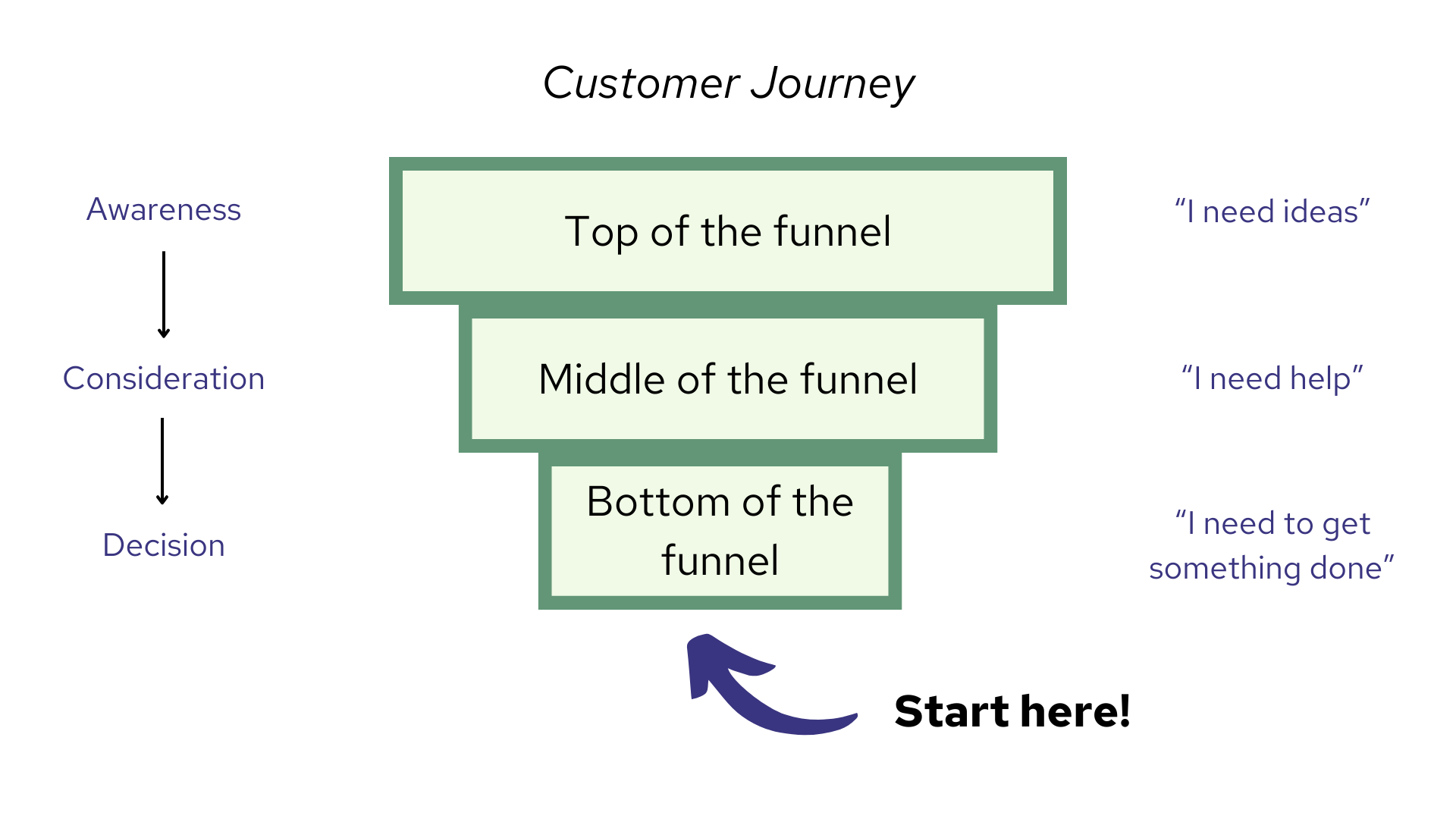
Going after buyers who are at the “Bottom of the Funnel”
Many agencies and marketers still do SEO the same way they always have: plug a competitor's domain into SEMRush or Ahrefs, filter for high volume keywords, export the list, and start writing. That's how most people pick their keyword targets.
The problem is that high volume keywords don't necessarily translate into conversions, especially in the age of AI Overviews where fewer and fewer people click through to articles for informational queries. Since WorldFirst came to us specifically to grow conversions, we knew the traditional approach wouldn't work.
So instead, we worked closely with their team to understand their product roadmap and priorities, and then created content that mapped directly to those priorities rather than to whatever keyword had the highest search volume.
This is why when we say 70% of targeted keywords were ranking in the top 3, those aren't random keywords, they're terms that are genuinely worth ranking for because the people searching them are closer to making a purchasing decision.
That's the foundational thesis behind our strategy: start at the bottom of the funnel and work your way up. It's how you get conversions, not just traffic.
Scaling content output with AI while still ensuring quality.
We knew it would make sense to implement AI, but it was crucial we did it in a way that ensured quality, always produced content that added value and followed Google’s guidelines of good content. There was always a human in the loop and AI was only used at one part of our process.
A person would create the outline, and our custom AI writing tool would write most of the draft. Finally, a person would review the final draft to ensure it was high quality and was still a unique piece of content. With this process we were able to scale content production more, while still creating unique content that added value and informed the reader.
This approach helped us increase output by 80% while maintaining quality.
Creating GPT articles
GPT articles is our proprietary process for growing LLM visibility, which we also implemented for WorldFirst.
The way it works is we identify prompts where WorldFirst wasn't appearing well in LLM responses, track those prompts using Peec.AI, and then create targeted pieces of content designed to improve visibility for each one. It's systematic and data-driven: we're not guessing which prompts matter, we're tracking them, measuring visibility, and creating content specifically to move the needle.
Read more here: Want LLMs to Recommend Your Brand? Here's What We've Found Works: GPT Articles
This worked particularly well for WorldFirst and enabled them to grow their LLM visibility from 27% to 53.4% for key prompts that they wanted to be visible for.
Getting results require a clear focus on what the goal is and an understanding of AI and LLMS
We're proud of the work we did with WorldFirst. Over the course of our engagement, we took their existing content library and turned it into a genuine conversion engine while scaling their presence in the UK and Singapore: 234% growth in conversions from existing content, 50+ monthly conversions across multiple markets, top 3 rankings for 70% of targeted buying keywords, and LLM visibility that nearly doubled.
None of this happened by focusing on traffic. It happened because we focused on conversions from day one, went after buying keywords instead of volume keywords, and understood how to leverage both traditional SEO and emerging LLM channels to get there.
It’s a pleasure to work with the WorldFirst team and we’re excited to continue our collaboration and making content, SEO and LLMs a key acquisition channel.
We'll leave the last word to Carrie: