
With more people doing their research on LLMs and the attention span getting shorter and shorter, some marketers are wondering: do people even read blogs anymore?
And if you’re going up market, some will also ask: do blogs help bring in bigger customers, i.e. enterprise?
I’ve often heard marketing leaders in the industry say “Payment managers or senior executives don’t read blogs”. I always find these statements funny because we have literally seen (as you will see in screenshots below) people with these job titles read content, convert and close into customers.
The fact is, more people read content than you think. And that’s because when they are badly in need of a payment provider, KYB solution or card issuer, they will do their research because likely their job depends on it. When you’re deep in research mode, you do read.
It is true that content marketing may not be as predictable in bringing in enterprise customers as ABM outreach, however it is a crucial part of the acquisition process, and ideally should be done in conjunction with ABM.
In fact, we’ve had cases where a client of ours spent months outreaching to a huge billion dollar company with no success, and once we started publishing content, that exact company read our content and then filled in a form.
In this article, we’ll showcase how 3 different companies are bringing in enterprise customers with content, which proves two main things:
- Yes, people do still read blog content
- Yes, blog content does bring in large enterprise prospects
1. Services based company in the FS sector regularly brings in $1M+ value deals from blog content
For this company, when we first started working together, they were getting 0 inbound leads via the website. Fast forward a year, and inbound website is their number one acquisition channel and has helped bring in $2M+ in pipeline.
A lot of these companies were billion dollar companies in the financial services space like Goldman Sachs, HSBC and Blackrock.
A lot of these companies go straight to the homepage or contact form before submitting, and yet we know content still influenced them because:
- We ask in the form submission where they heard about us, and they often pick AI search, which is influenced by our content through our GPT article strategy
- The website was getting 0 inbound leads before we started publishing content, and they aren’t doing anything else marketing wise that had changed since then
For many of those, we don’t get to see which content they are reading. But for about 20%, we can see that they do read the content on the website, and these are some examples below:
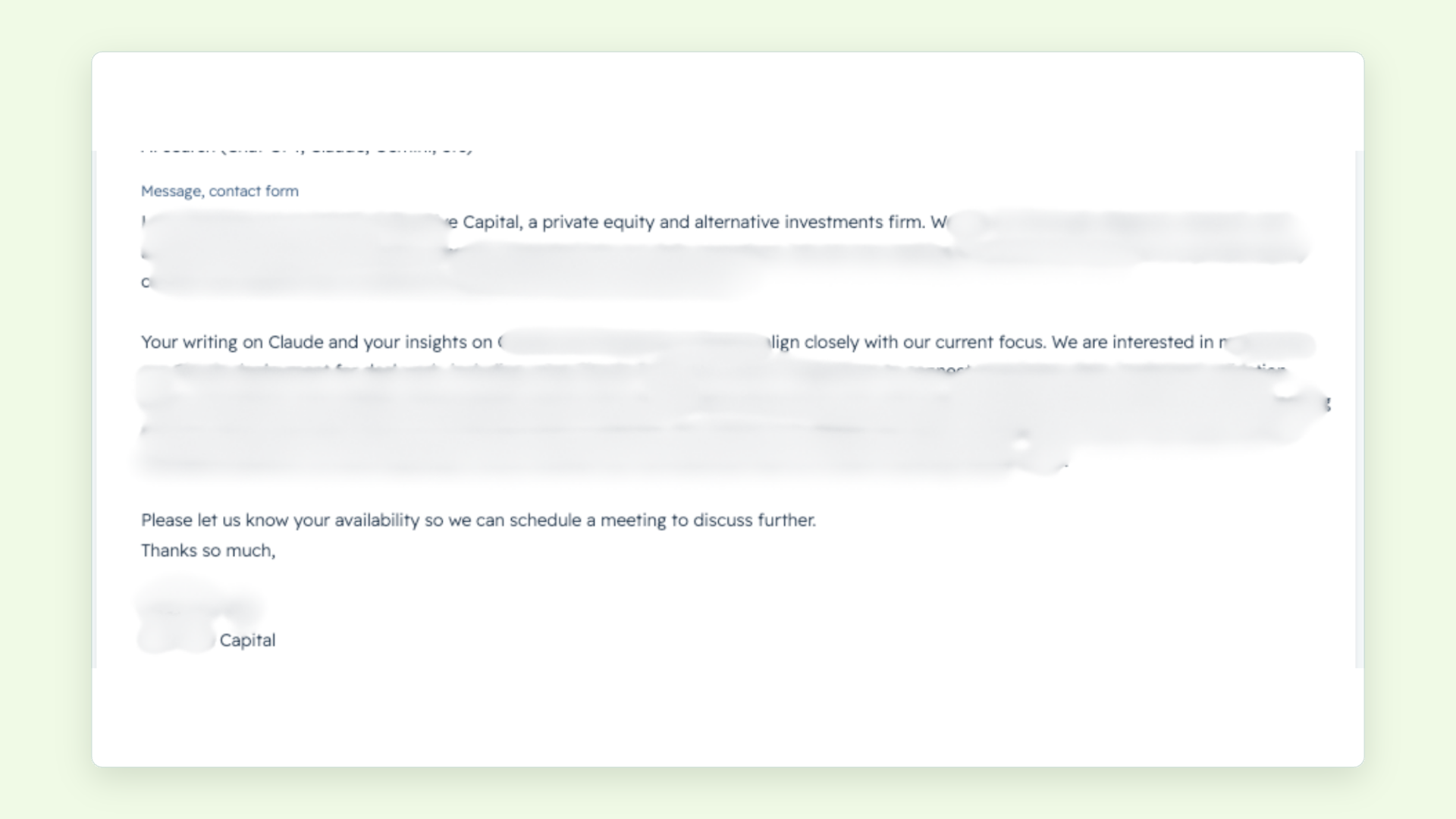
This large investment firm mentions in their form submission that they appreciate the content we’ve produced:
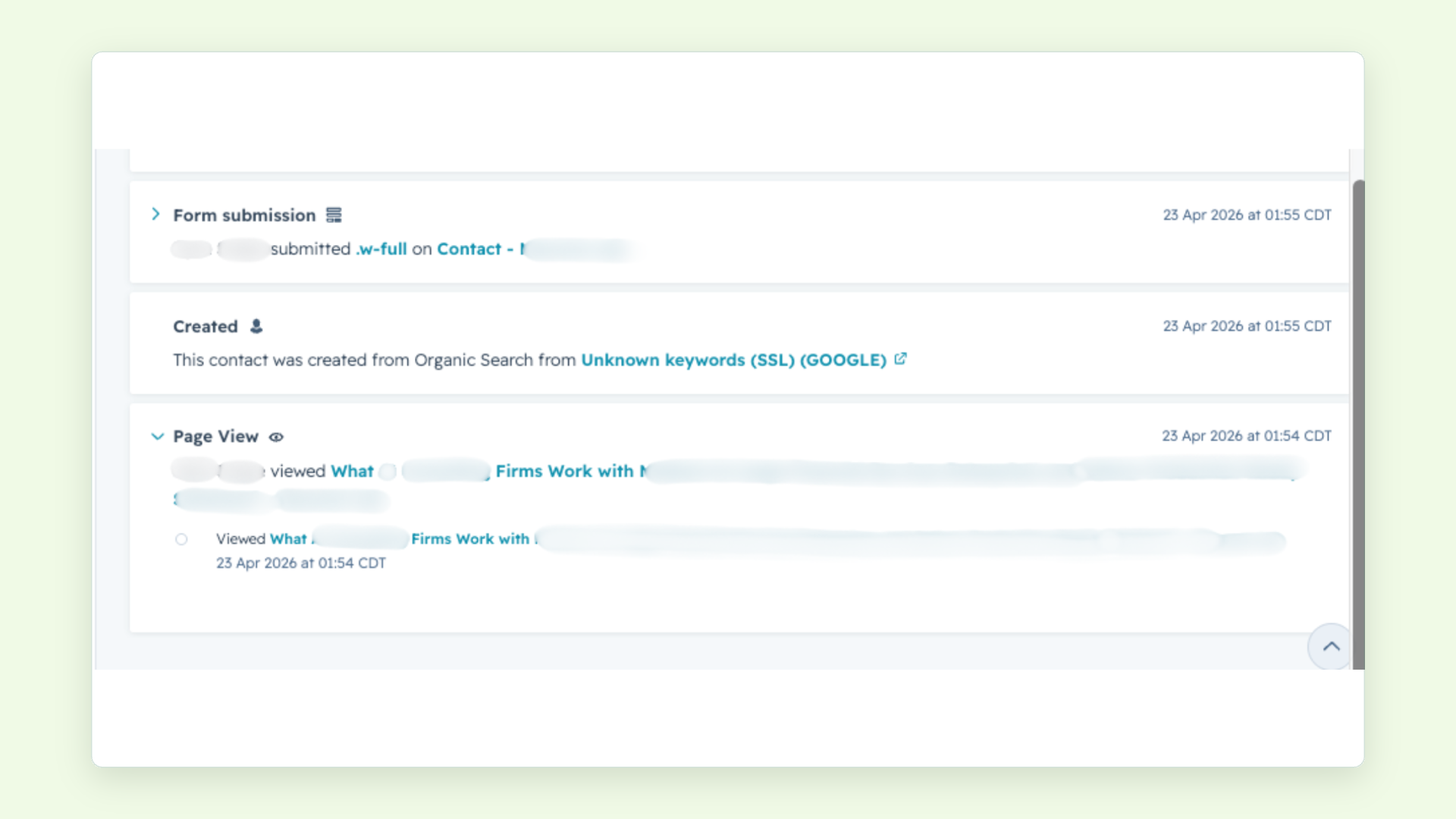
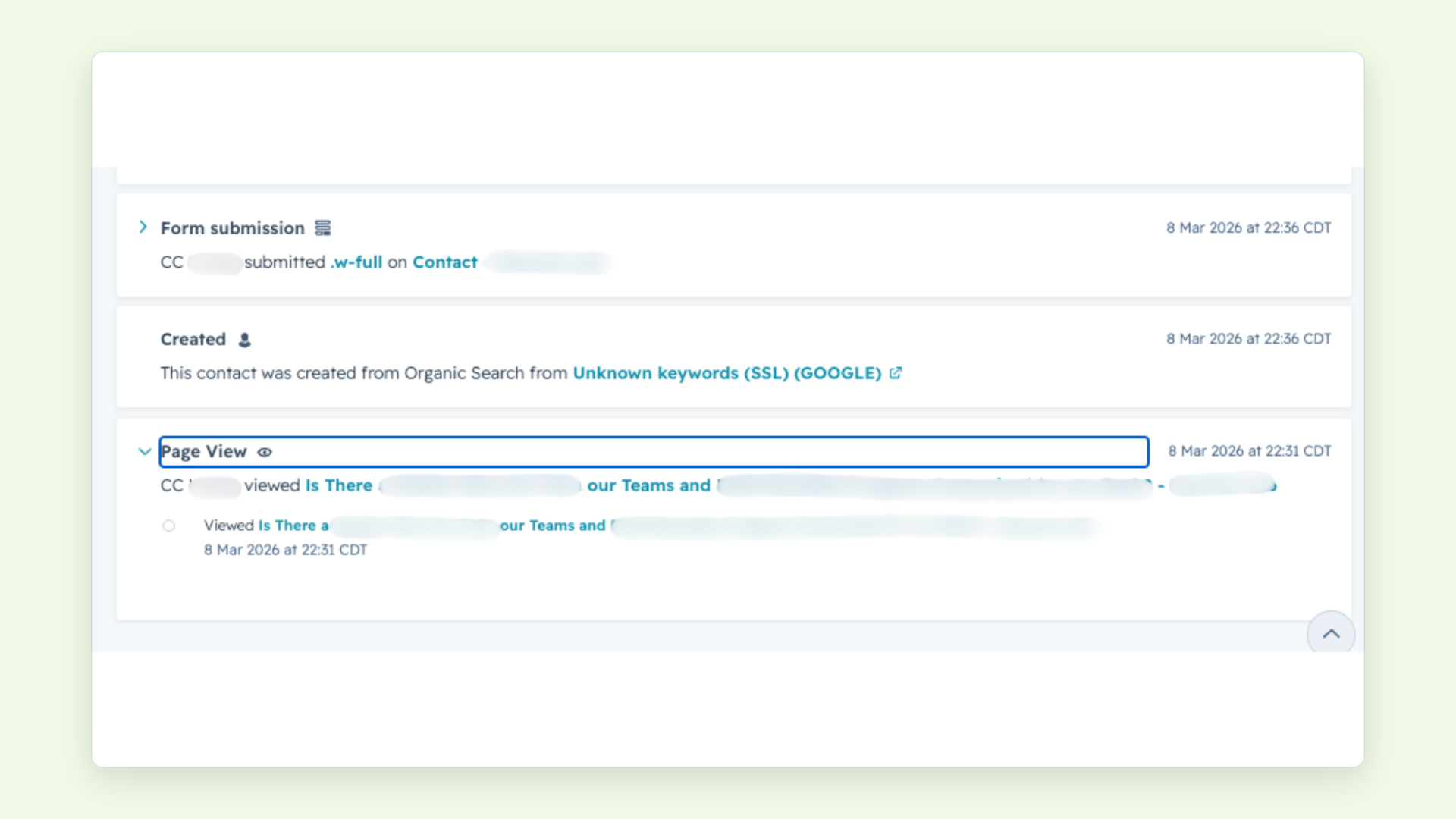
Although we have to blur the pages and names below, you can see here how these companies are visiting website content / blog pages before submitting a form.
This one below is a Director of Operational Excellence coming in from a $3B company. In fact, our client had been trying to reach this company for months with targeted outreach and it hadn’t been working. Instead, they came inbound through the content we published.
So yes, billion dollar companies read blog content!
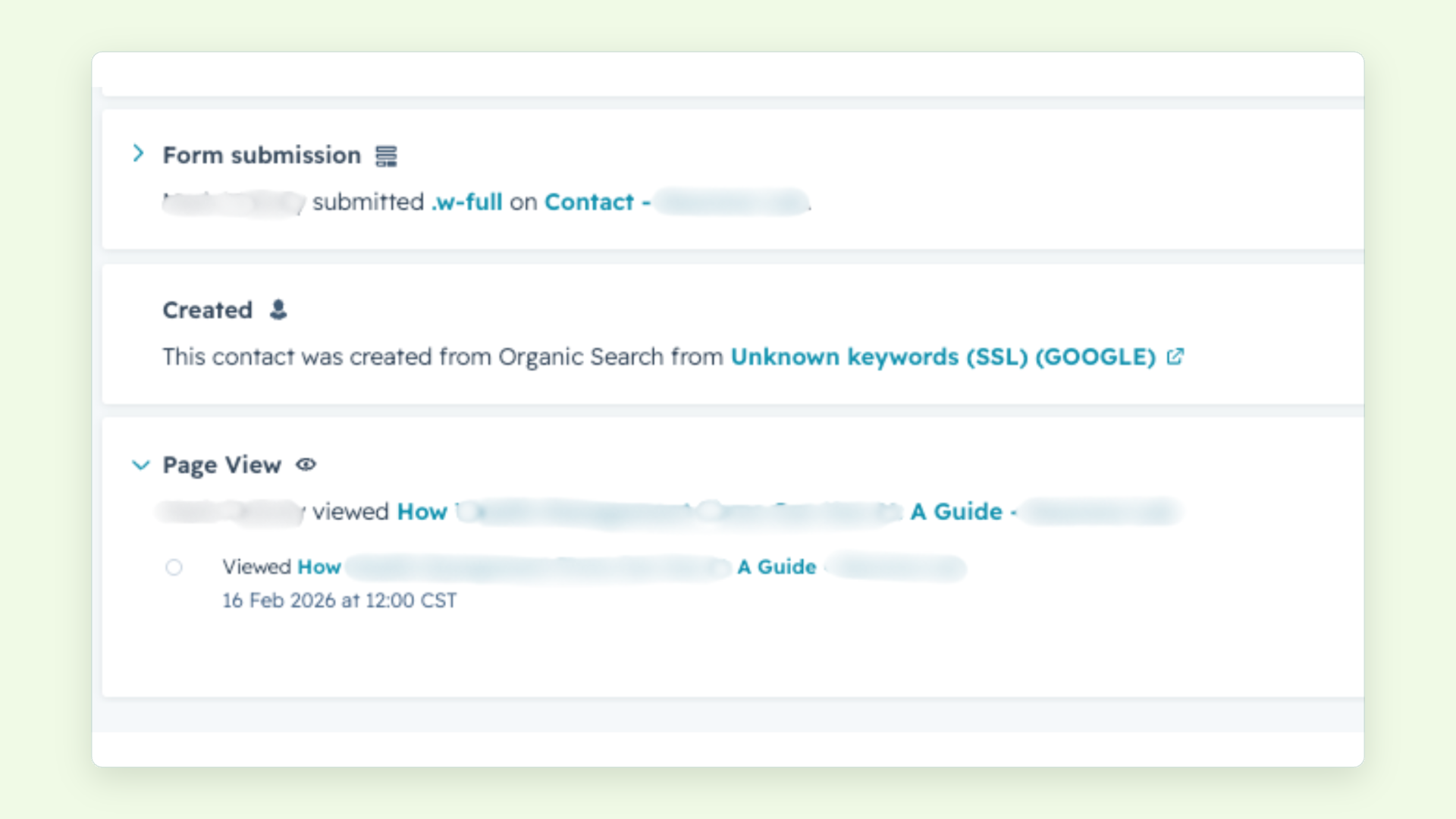
This screenshot below shows a 5-figure deal that came in via content. The person who read and reached out was a Chief Investment Officer / Managing Partner of a firm with $500M in management assets:
This is a low 6-figure deal that came in as well. The person reading and who reached out was a consultant working for a well-known fintech company.
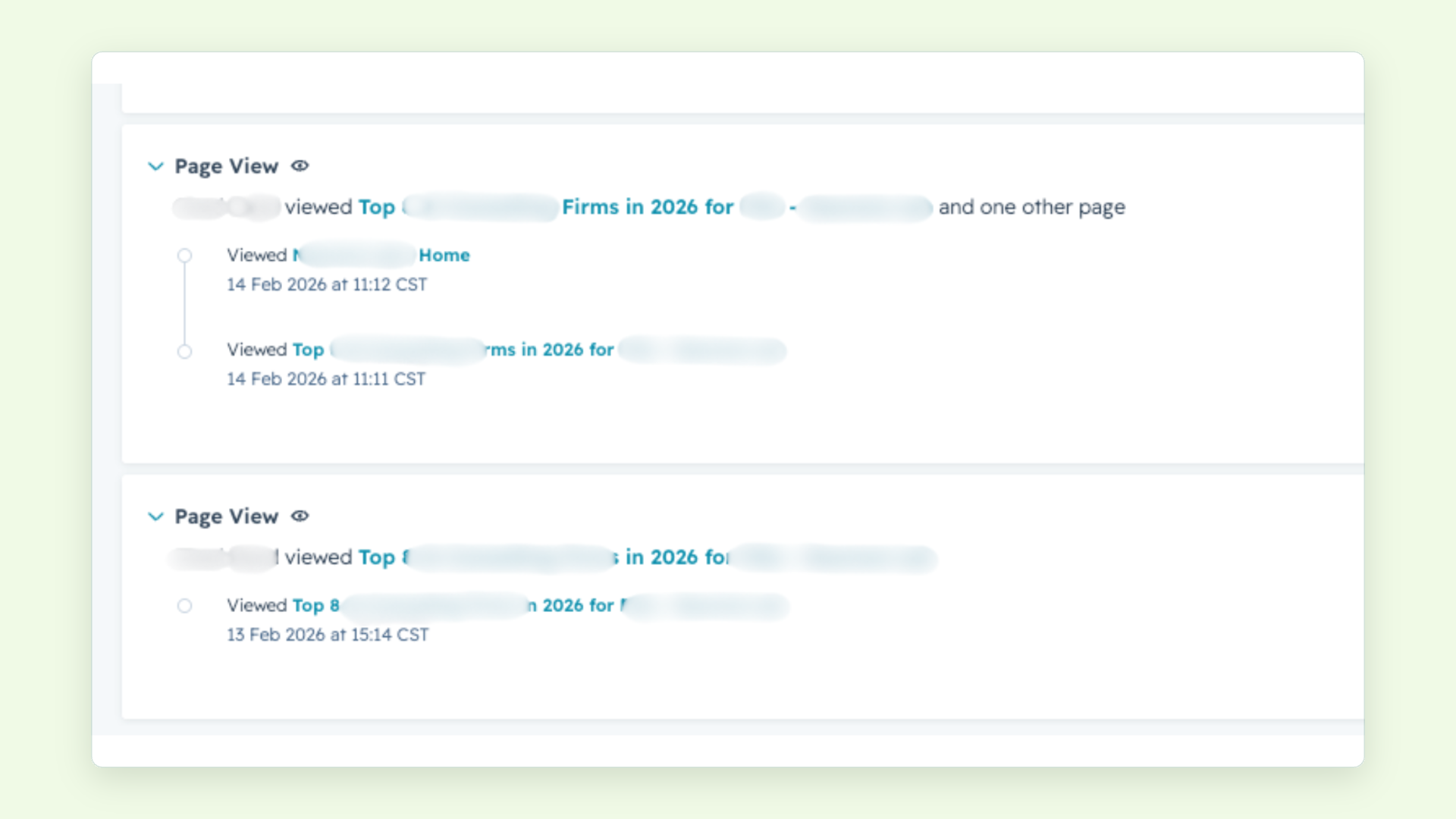
And finally, we can see how this executive read a piece of content before submitting a form. They work for the largest privately held bank in an Asian country:
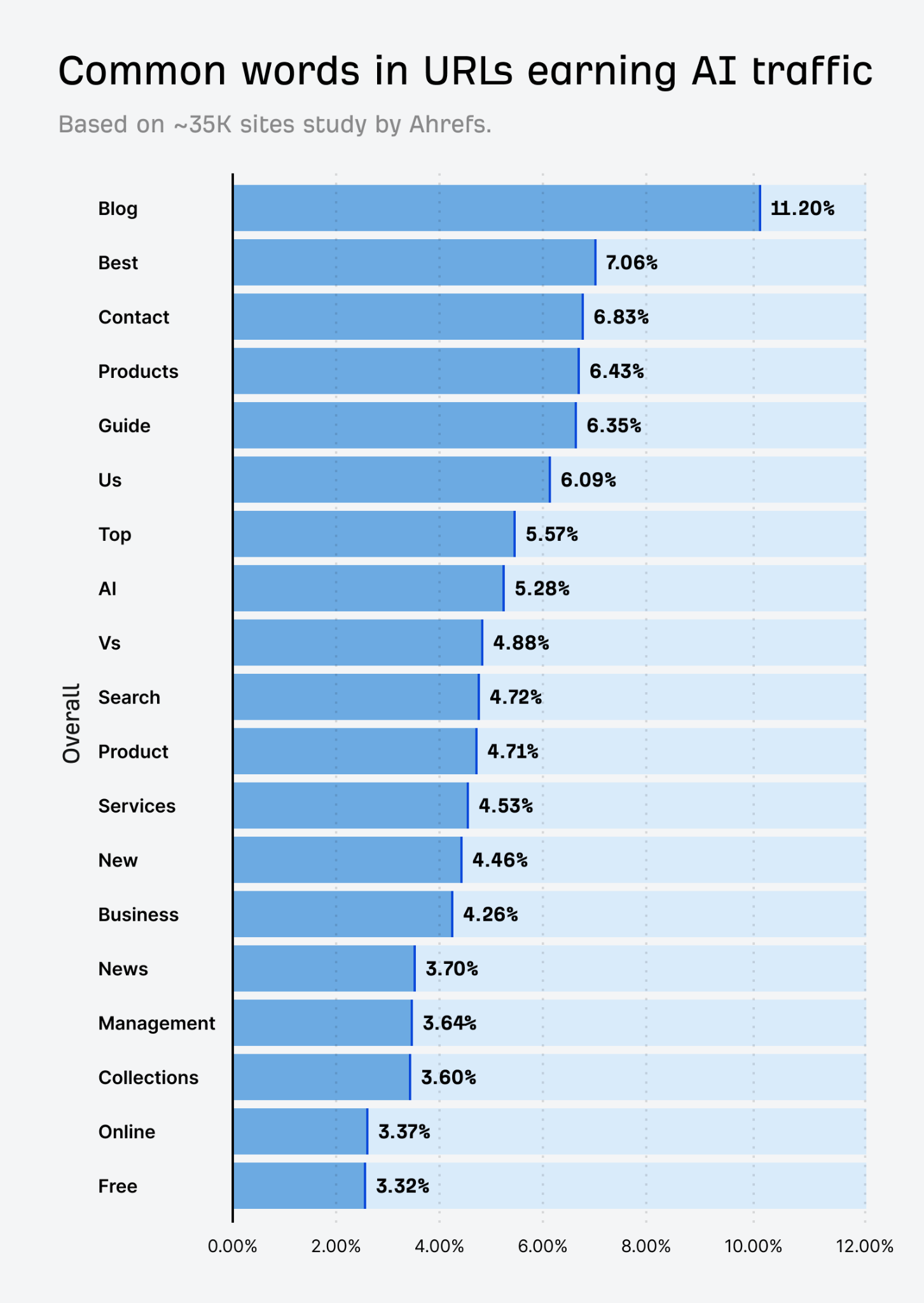
And these are just a few examples. There are many more since many of these buyers find our client through LLMs, which they could only have found through the content we published – Ahrefs did a study that showed that URLs with “blog” in them are one of the most commonly cited links. LLMs crawl our client’s website and then regurgitate the content, so in a way, anyone who comes via LLMs has been influenced by our content.
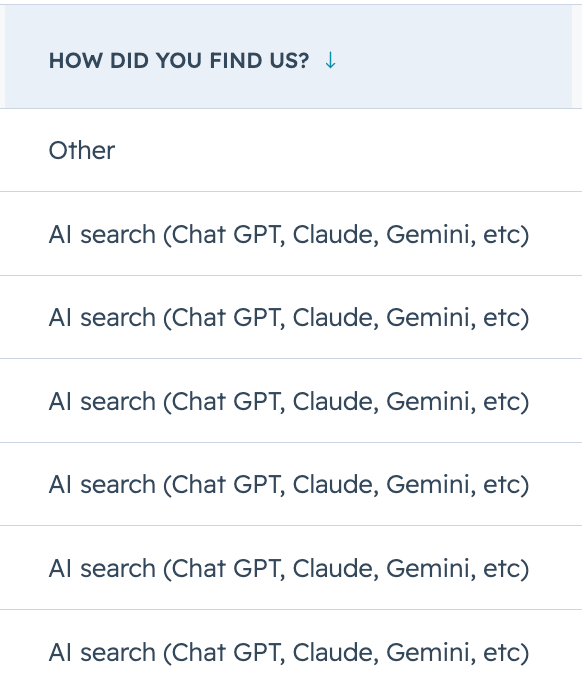
That’s why we find it funny when people say “oh, people don’t read blogs”. As you can see in the screenshots, people most definitely still read blogs, and they have million dollar budgets. You might not be on their radar at all if you don’t publish blogs.
2. Company in the payments space where 20% of leads are enterprise
This company gets most of their new customers through inbound, and they primarily target big merchants.
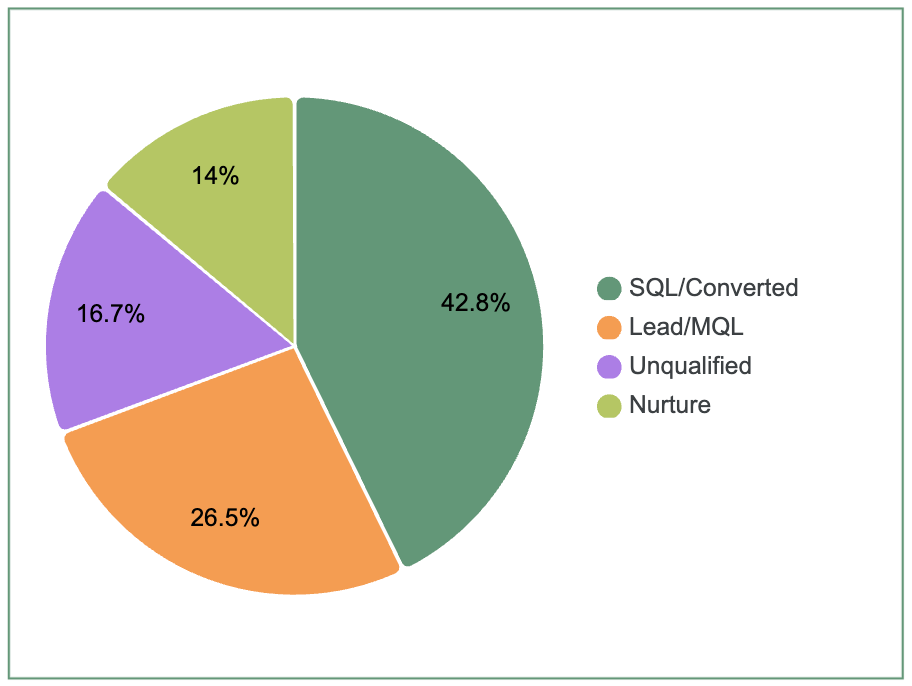
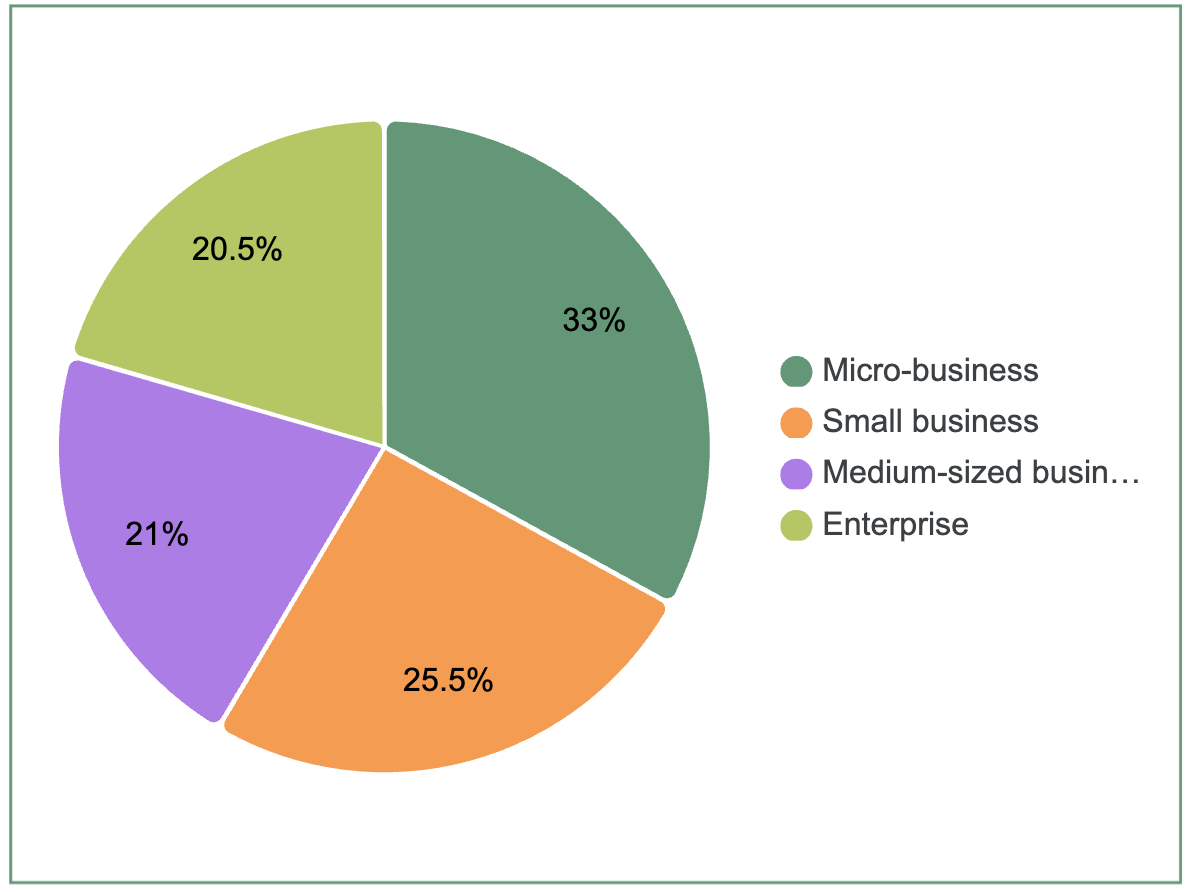
Not only does the blog perform very well (nearly 1 in 2 leads convert into MQLs), but 20.5% of those are enterprise, which is a lot more than you’d think.
Here is the breakdown by lifecycle stage of all leads in a 12-month period.
And here is the breakdown of the size of the companies in that same 12-month period.
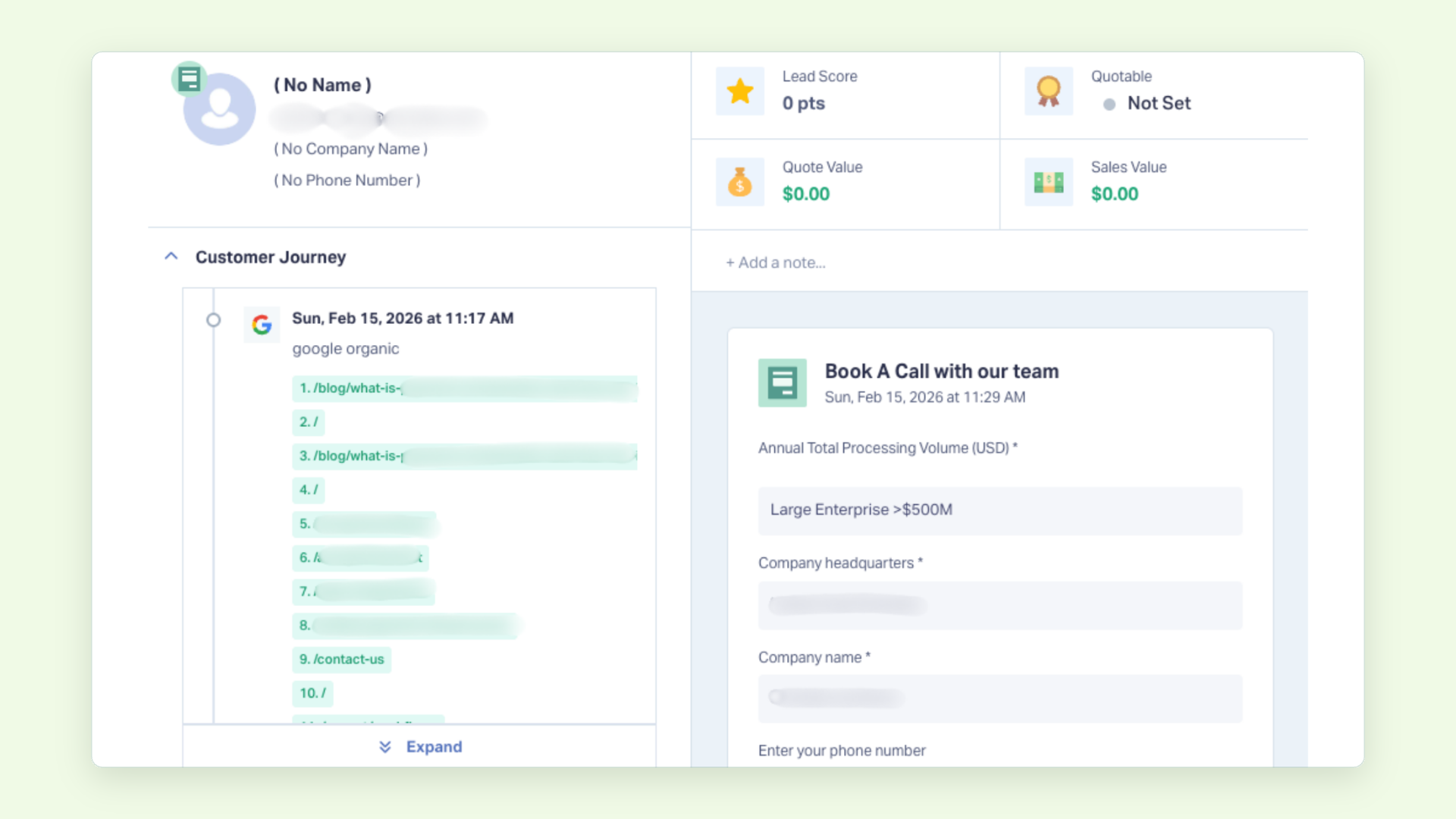
For this client, we use WhatConverts to track the pages people visit. With this tool we can see the different pages people read across multiple months, allowing us to track how content influences certain leads.
Here are some examples. This is a company in Southeast Asia with over 13 million users submitting a “book a call” form:
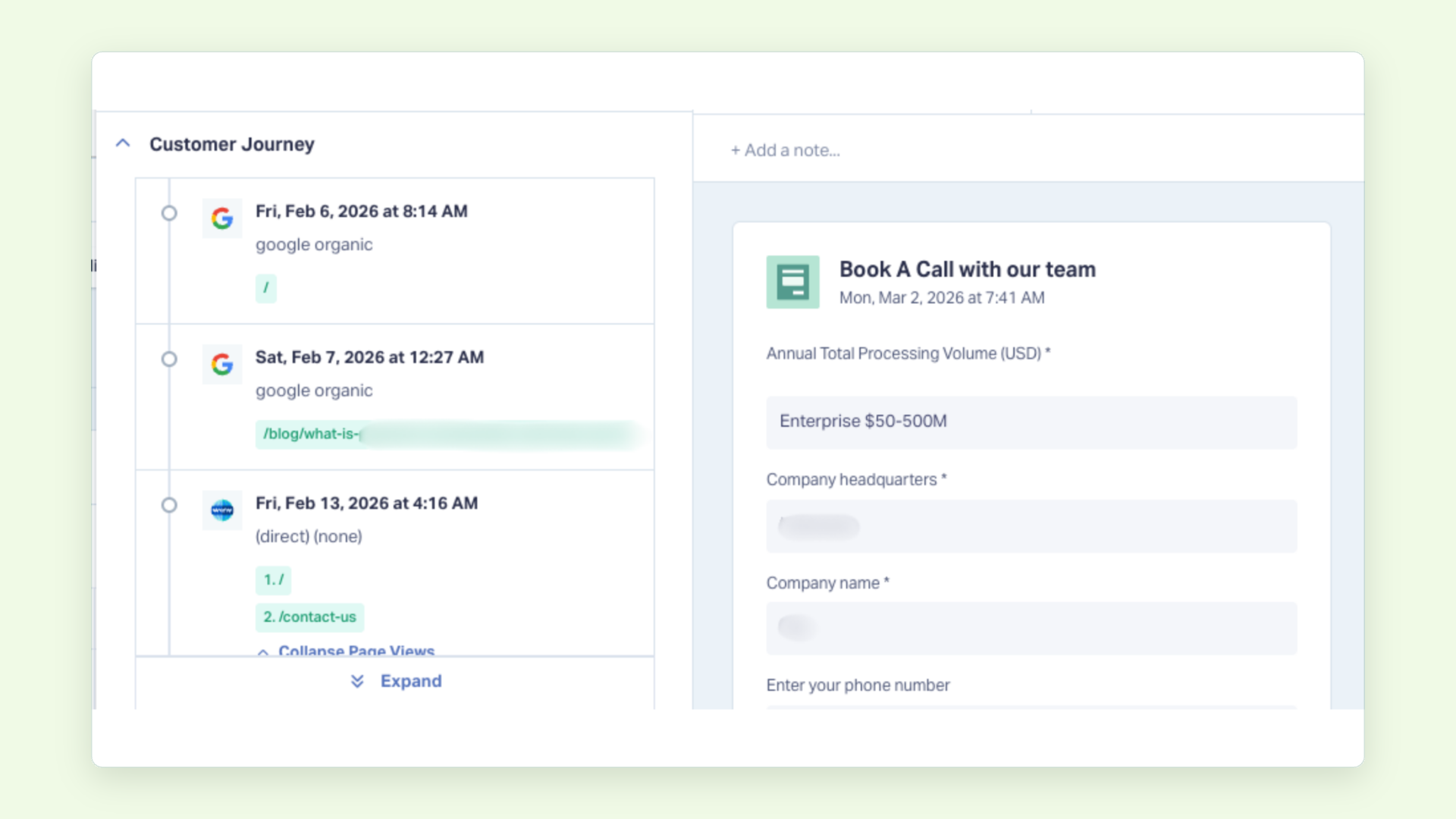
Another is one of the biggest airlines with $40B in revenue operations across 80 countries. Yes, companies making 11 figures in revenue still read blogs!
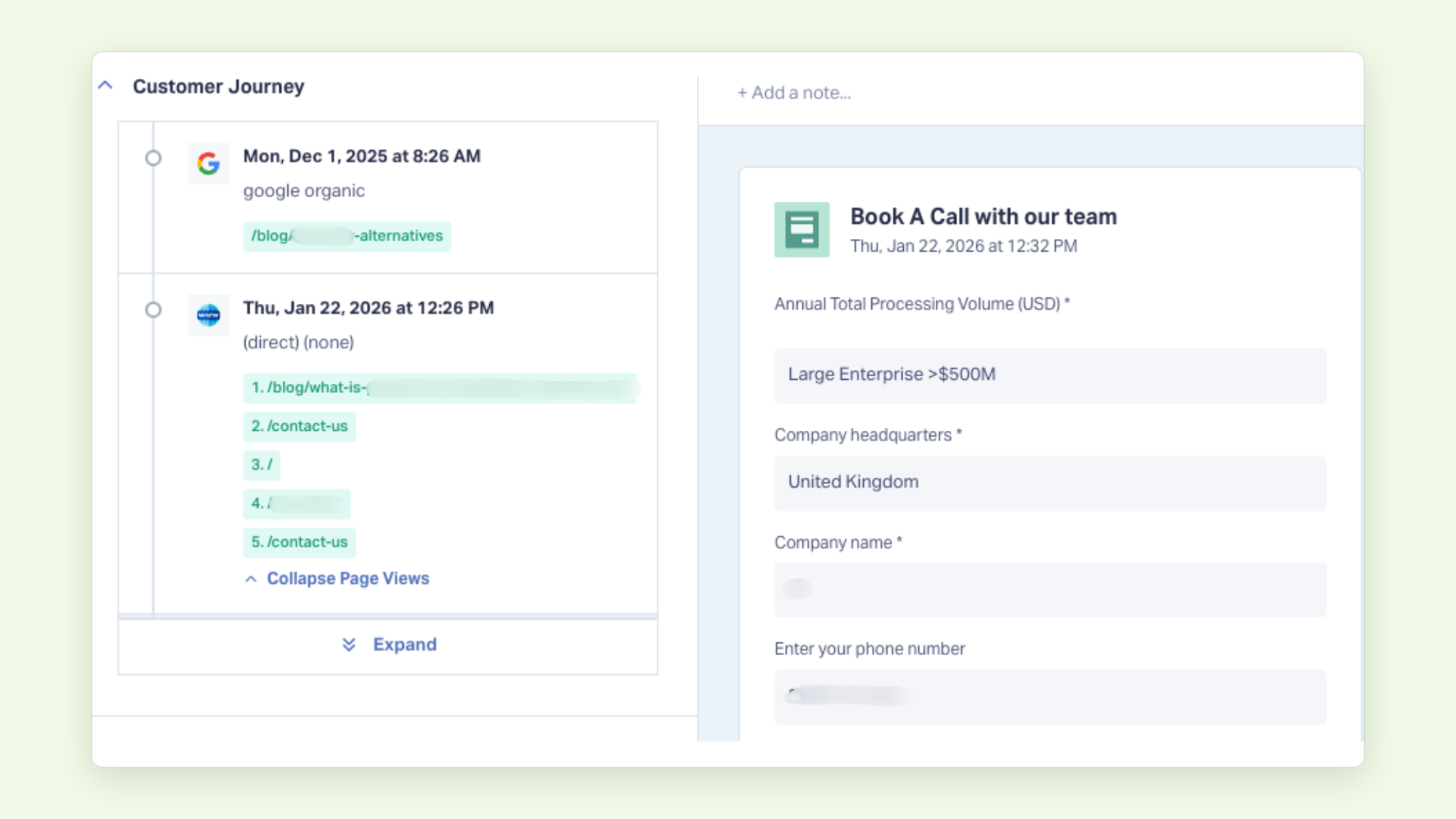
This was a deal of 6 figures of a huge UK trading platform with over £1B in revenue.
So yes, it works well in payments as well.
3. Identity verification company captures Fortune 500 companies with content
Finally, this is a client of ours in the KYC and identity verification space which is able to attract a lot of high-quality companies in this industry.
Examples include:
Senior Analyst who works at a European company unicorn valued at $1.7B read multiple blogs:
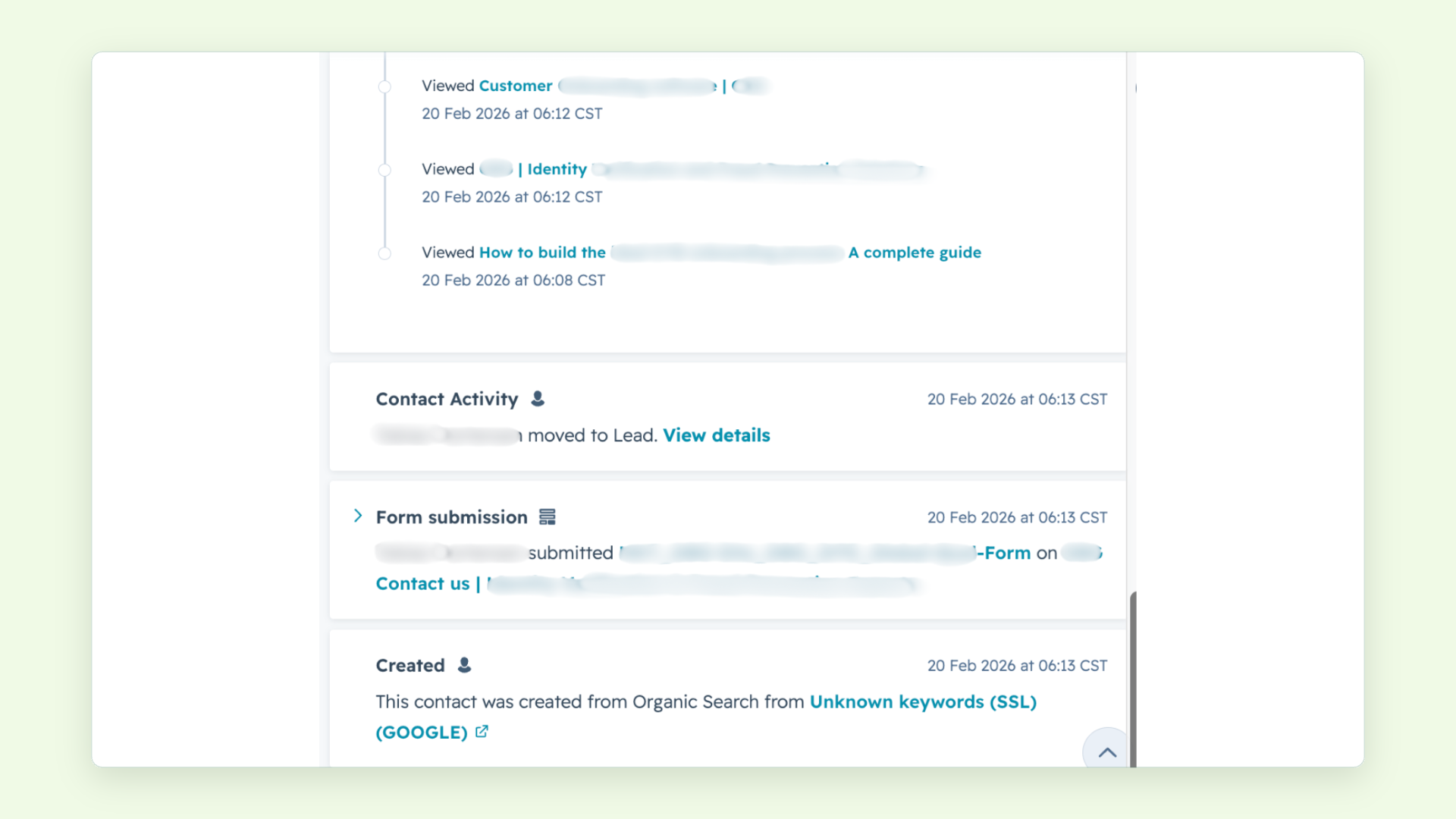
Compliance Manager at a European crypto company with multiple licenses across various countries reads multiple pages:
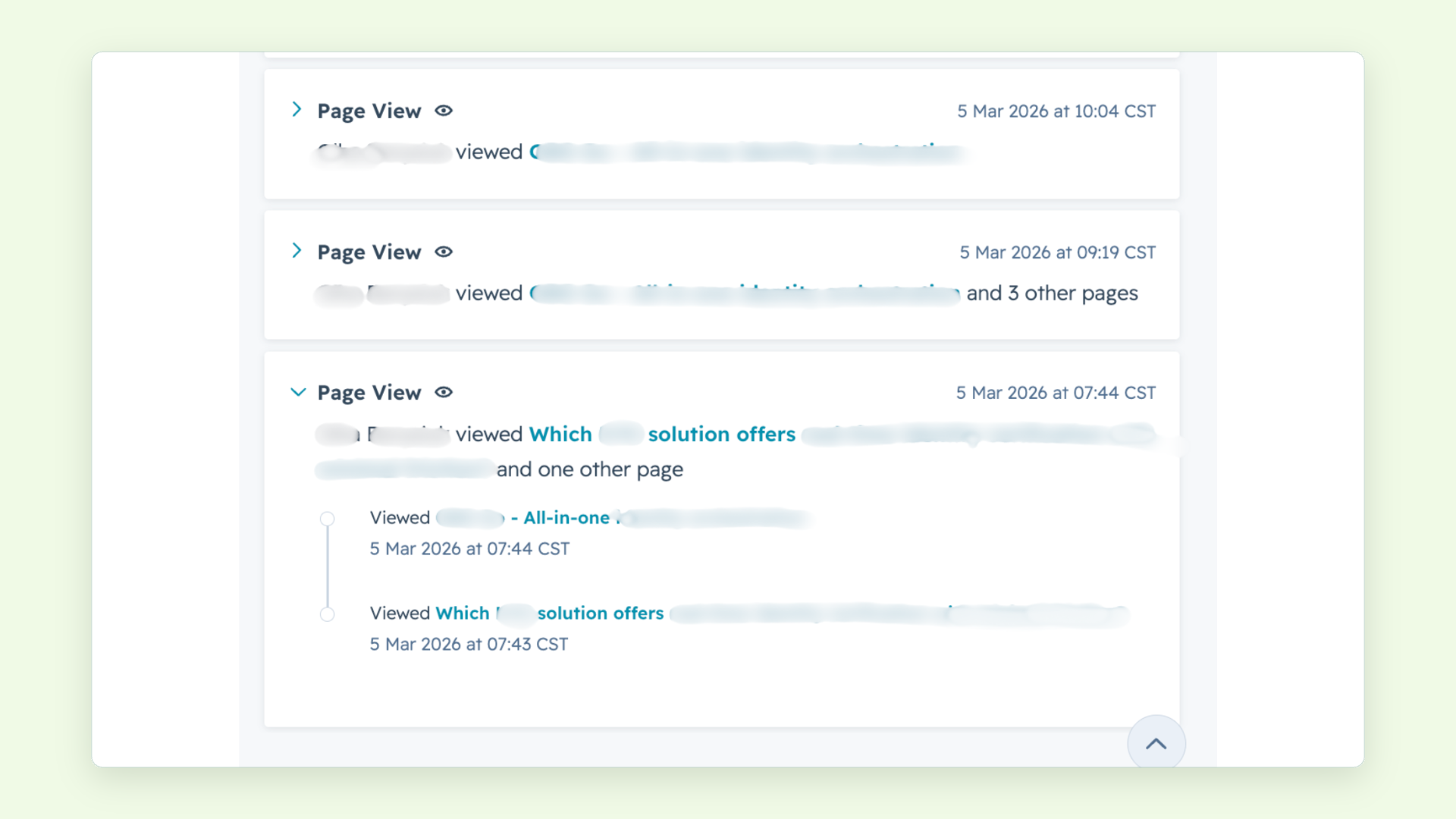
This is a person with the title of Research Lead who works at a global business firm serving more than half of Fortune 500, has $2B in revenue and hire 40,000 people:
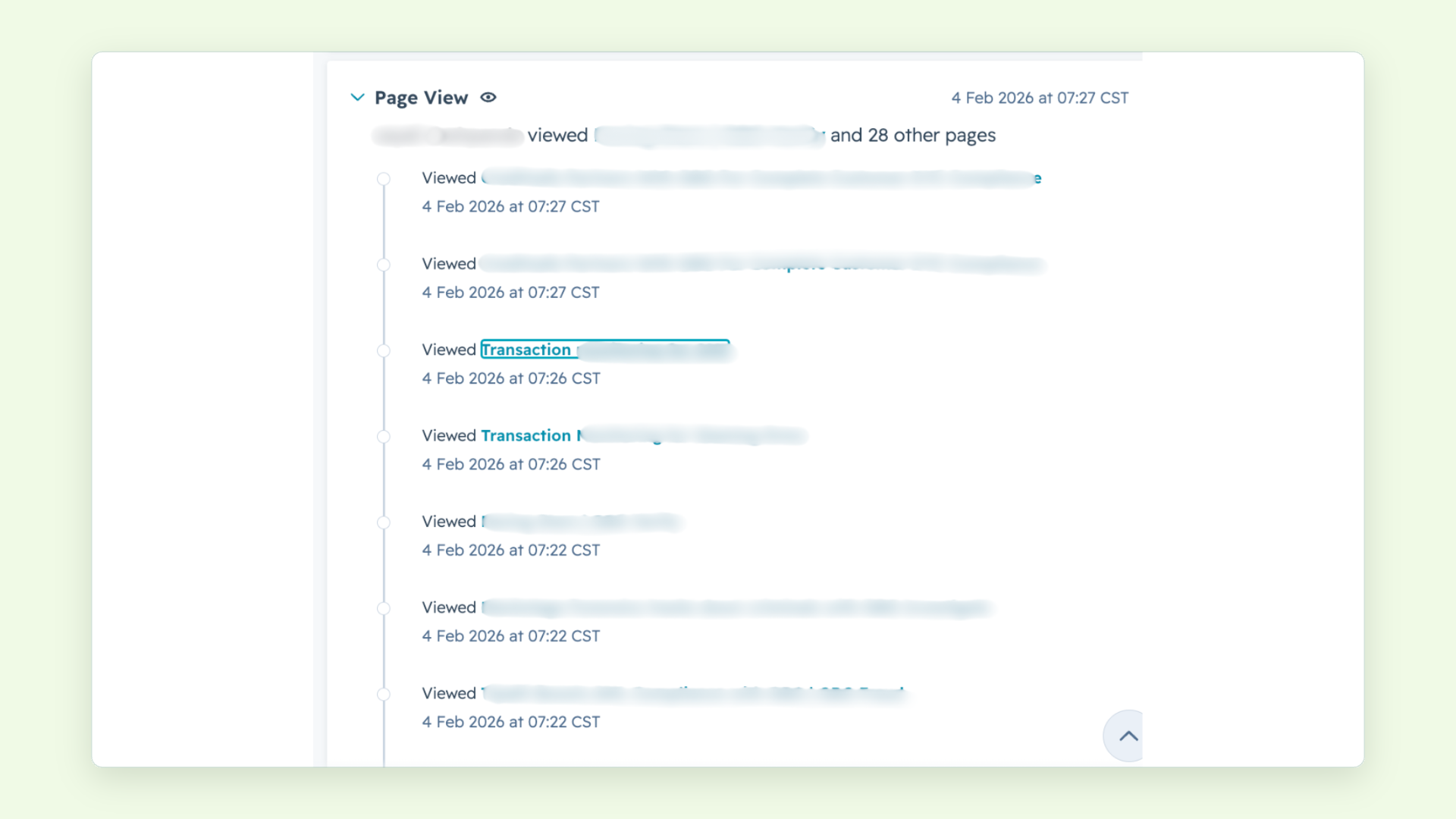
We have many more examples of this, even our own website, where we have had inbounds from companies like the S&P, Revolut and Finastra.
Anyone who checks and reads the form submissions coming through their website knows big companies book demos and fill in form submissions. The hard part is tracking it and proving it, and of course, getting more of them. That’s exactly what we’ll cover in the rest of this piece:
How to track whether enterprise companies are reading your content (and prove it)
You can’t just wave your hand and say “I know enterprise customers are reading our content” – leadership won’t believe you. You need to prove it.
The issue is that you can only really prove that enterprise prospects and customers are coming via content if you can track it. And with LLMs, cookies and a fragmented search landscape, this is just getting harder and harder.
There are a few ways to do it, but the way that is most effective is tracking the pages that people visit before and after booking a call / demo. If someone’s read content before or after submitting a demo, you can then showcase this to leadership as proof of how it’s influencing new customers and revenue. Even then, you are probably only tracking around 20% of all the people you’re influencing with your content.
Unfortunately, this is surprisingly hard to track, especially if you want an overview of which pieces of content have been read by the highest number of leads, and not have to click into each lead individually (hem hem, Salesforce).
There are really two options here: use HubSpot or a third-party tool. Salesforce, Pipedrive and many other CRMs do not have the tracking or UX that makes it easy to do this.
If you have HubSpot, it’s about setting up the right reports that allow you to track this. We have a whole article that goes in-depth about this. You can see reports like:
- Articles that bring in the highest number of leads
- Articles that bring in the most amount of revenue
We’ve written a guide on how to set it all up here: How to Track the Quality of the Leads Your Content Brings in [With 6 HubSpot Reports]
If you don’t have HubSpot, then you’ll need a third-party tool that tracks pages. Our favourite one is WhatConverts, and there are others like Formulayt and RulerAnalytics.
The screenshots we used above are of HubSpot and of WhatConverts, and you can see in this video how we use WhatConverts to be able to attribute a growth of 400% of SQLs thanks to the tool:
This is great to showcase specific content that influences enterprise. But to get a true sense of the value of content, you also want to track leads that come organically, via LLMs and even direct.
In fact, we were able to do a perfect A/B experiment with a client who was getting 0 inbounds before we started publishing content. It was perfect because every lead that came inbound we were able to attribute to content marketing, since they didn't change anything else in their marketing.
Some leads came in directly, some via referrals, some reached out to one of the founders via email. Of all the opportunities that came through, only 26% actually landed on a blog page. Just something to keep in mind when understanding the true impact of content.

It goes to show how hard real attribution is – even if someone emailed you directly, chances are content influenced them. Which is why it’s so important to have self-attribution set up and ask users “How did you hear about us?” in the lead form.
In an ideal world, you want to be tracking:
- Organic leads
- LLM leads (by asking “How did you hear about us?”)
- The pages that leads visit before and after
Tracking direct and offline leads would be ideal as well, but if you’re doing other types of marketing as well it can be really hard to be certain whether content influenced those.
With those three above, you can get a relatively accurate picture of the influence of content.
How to create the right type of content that brings in enterprise leads
Tracking is just one part of it. Ultimately you’ll only see enterprise customers coming through the door if you’re creating the right type of content.
Where do you start?
The best place to start is to get a deep understanding of the topics, the questions and the pain points that someone working for an enterprise company is speaking to someone on your team who is constantly talking to prospects and customers at that level.
You’ll come away with a list of topics, questions and ideas for content that they would actually resonate with.
The next part is to prioritize content that is “Bottom of the Funnel”. This means targeting enterprise prospects who are already doing research and are actively looking for a solution:
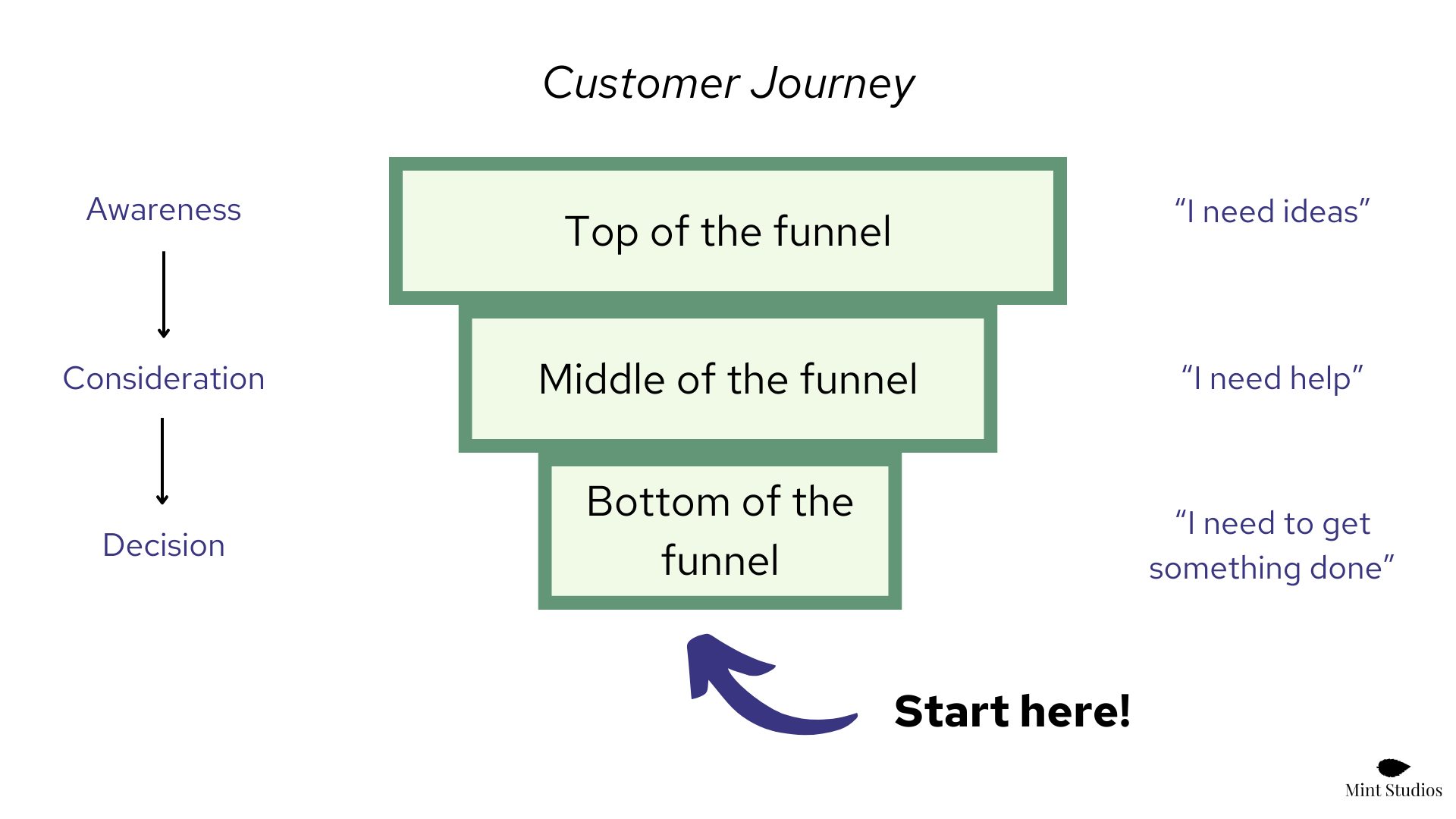
That way, you are targeting people who are closer to converting and are more likely to book a demo / call after reading your content. There are already a % of the population at this level ready to buy, so why not start with them? You can then work your way up the funnel to more middle and top of the funnel topics.
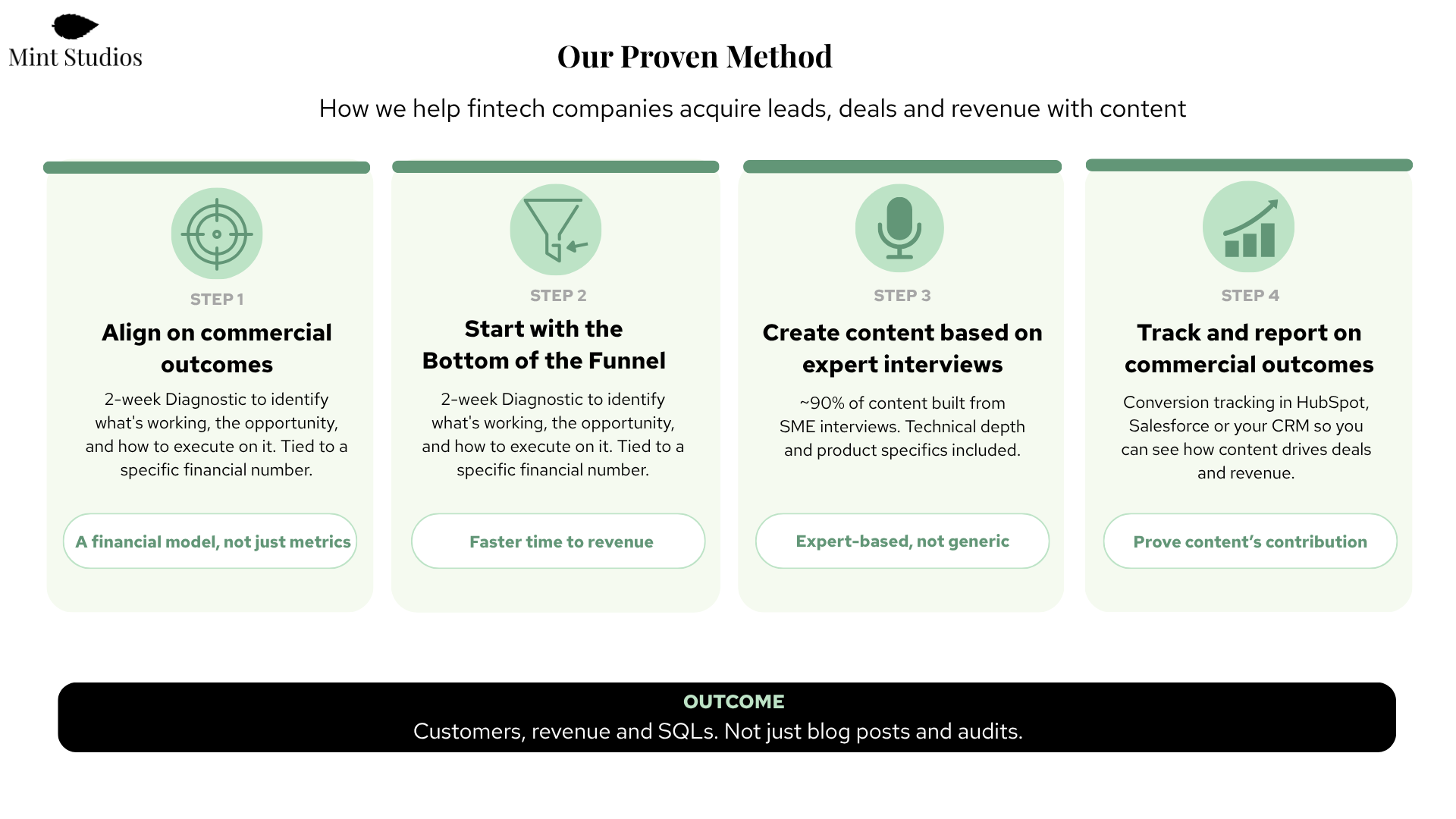
This is where our framework comes in and why this is what we focus on when working with fintech companies:
- Align on commercial outcomes (essentially, how much $ will this help generate?)
- Start with Bottom of the Funnel topics
- Create content based on expert interviews (allows you to create more in-depth content that resonates with the reader
- Track and report on commercial outcomes
If you’re new to BOFU, you can read our guide here: What is BOFU (Bottom of the Funnel) Content and Why Is it Important?
And to see real examples of BOFU content as well as how a strategy is implemented, you can read these case studies:
- How Fiska Build a 7-Figure Content Pipeline From Scratch
- How WorldFirst Reached 50+ Conversions per Month with Content
The most important thing for attracting enterprise customers is to interview experts, as creating generic content will never catch their attention.
So, does blog content still work?
If you’ve read this whole article, then you can clearly see that yes, it does still work. People are still reading.
Are they reading less than before? I don’t think so, I think they are reading just as much – it’s just a lot more fragmented now. People are still doing as much research as they used to, but instead of reading 10 blogs they may now read 3 blogs, research on Claude, watch a video, read a buyer’s guide and then convert.
So it may seem in your tracking that fewer people are reading your content, but it’s not very accurate: the content is instead influencing Claude, which your prospect then reads, and then reaches out to you. In a way, they did read your content, but it was “translated” through an AI tool.
This means that attribution is harder, but it also means that content still works, and having a multimedia approach is more important than ever. And that includes blogs.